Indoor Air Quality (IAQ) has become one of the most critical priorities for offices, hospitals, retail spaces, educational facilities and all types of commercial buildings. Increased awareness following the COVID-19 pandemic, combined with a deeper understanding of how indoor environments affect health, comfort and productivity, has accelerated the adoption of better ventilation strategies and advanced HVAC solutions, including both heating and air conditioning systems.
Today, people spend over 90% of their time indoors, and several studies confirm that poor IAQ can reduce cognitive performance and productivity by up to 10%. For businesses, this means that air quality is no longer just a technical parameter – it is a strategic factor affecting employee well-being, operational efficiency and overall building performance.
This article explores the main IAQ challenges in commercial buildings, the best ventilation and filtration practices, modern technologies enabling real-time monitoring, and the role of maintenance and compliance frameworks in ensuring healthier indoor environments.
Table of Contents
Common IAQ challenges in commercial buildings
Commercial facilities often face a variety of air quality concerns that, if not addressed proactively, can impact both occupants and HVAC system performance.
Typical IAQ issues include:
- Inadequate ventilation, especially in meeting rooms and high-occupancy areas
- High CO₂ levels, which reduce alertness and cognitive function
- Dust, mold and biological contaminants in poorly maintained ductwork
- Volatile Organic Compounds (VOCs) released by paints, adhesives, furniture and cleaning chemicals
- Excessive humidity or overly dry environments, both of which affect comfort and health
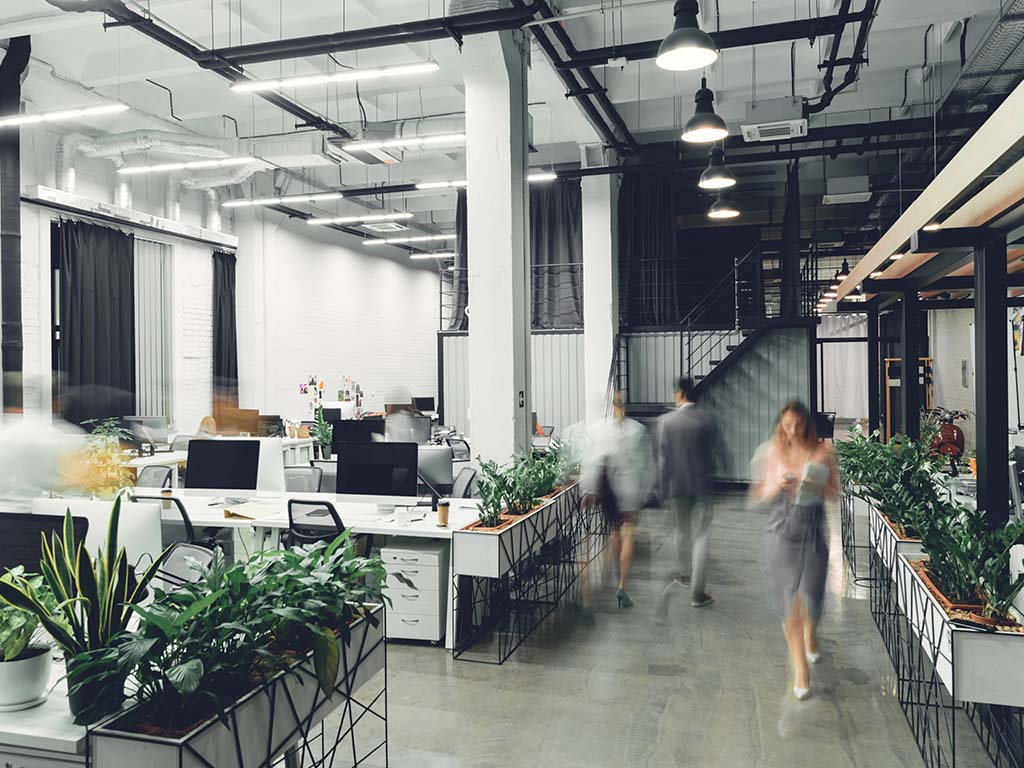
In office environments alone, studies highlight that insufficient ventilation can significantly reduce productivity, increase absenteeism and contribute to symptoms linked to Sick Building Syndrome.
For HVAC professionals, designers and facility managers, understanding these challenges is essential for implementing effective IAQ strategies.
Ventilation and filtration best practices
Improving IAQ starts with ensuring that HVAC systems are designed, installed and managed according to industry standards and evidence-based practices.
Key strategies include:
- Ensuring compliance with ventilation standards, such as ASHRAE 62.1 for commercial buildings
- Using high-MERV filters (MERV 13 or higher) to capture fine particles
- Integrating HEPA filtration in areas requiring enhanced protection
- Maintaining optimal humidity levels (between 40–60%) to reduce pathogen survival
- Scheduling regular filter replacements and ensuring proper air exchange rates
For HVAC distributors and technical partners like AirEnergie, supporting installation professionals with the right filtration technologies is essential to guaranteeing system performance and IAQ compliance across a range of commercial environments. Proper IAQ management requires HVAC systems, including both ventilation and heating components, to operate efficiently and in line with recognised industry standards.
Modern technologies enhancing IAQ
New technologies are reshaping how buildings manage and monitor air quality. These solutions allow facility managers to move from reactive troubleshooting to continuous, data-driven monitoring.
Key innovations include:
Demand-controlled ventilation (DCV)
Systems that adjust fresh air intake automatically based on occupancy, CO₂ levels and indoor pollutants.
AI-assisted building management systems
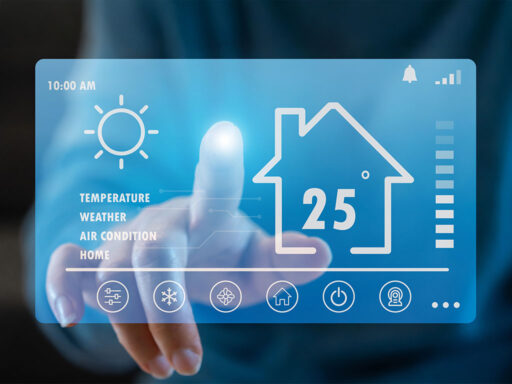
Smart BMS platforms that integrate HVAC, ventilation, sensor data and maintenance alerts, enabling autonomous optimisation of IAQ and energy efficiency.
Air purifiers and UV-C disinfection
UV-C lamps installed within HVAC and air conditioning systems help reduce microbial contaminants, while advanced purifiers remove particulates, VOCs and allergens.
IoT IAQ sensors
Real-time monitoring devices that track CO₂, PM2.5, VOCs, humidity and temperature, alerting facility managers instantly when thresholds are exceeded.
These technologies are increasingly adopted across commercial facilities, and HVAC distributors play a vital role in helping professionals select compatible, scalable and standards-compliant IAQ solutions.
Maintenance and policy compliance
Even the best-designed HVAC systems cannot guarantee healthy air quality without regular maintenance and proper cleaning procedures.
Essential practices include:
- Routine cleaning of ductwork, coils and ventilation components
- Regular inspection of dampers, air handling units and filter housings
- Tracking performance through maintenance logs and sensor data
- Ensuring alignment with IAQ-related regulations and certification frameworks
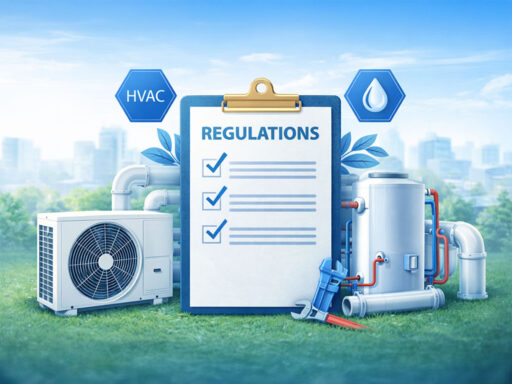
Certification systems such as the WELL Building Standard, LEED or local IAQ mandates provide guidance on ventilation rates, filtration levels and monitoring requirements. Many organisations now adopt these frameworks as part of their ESG and wellness strategies, emphasising the importance of healthier indoor environments.
For installation professionals and building managers, relying on competent HVAC distributors with technical expertise simplifies compliance and ensures correct product selection across ventilation and filtration categories.
How to improve IAQ in commercial buildings?
Investing in IAQ is not just a matter of comfort: it delivers tangible benefits in terms of health, productivity, operational efficiency and building value. As awareness grows and regulations evolve, businesses are increasingly conducting IAQ audits and implementing proactive strategies to create healthier indoor environments.
To identify the best approach, organisations should:
- Evaluate ventilation adequacy and air exchange rates
- Assess current filtration levels and upgrade where needed
- Integrate smart sensors and monitoring technologies
- Plan regular maintenance cycles and duct inspections
- Align IAQ improvements with sustainability and ESG objectives
Healthy indoor environments require collaboration between designers, installers, facility managers and technical distributors capable of guiding product selection and system integration.
Would you like to assess the air quality of your commercial building or explore advanced IAQ solutions?
Contact the AirEnergie team of experts, we are at your disposal to support system configuration, product selection and technical guidance.