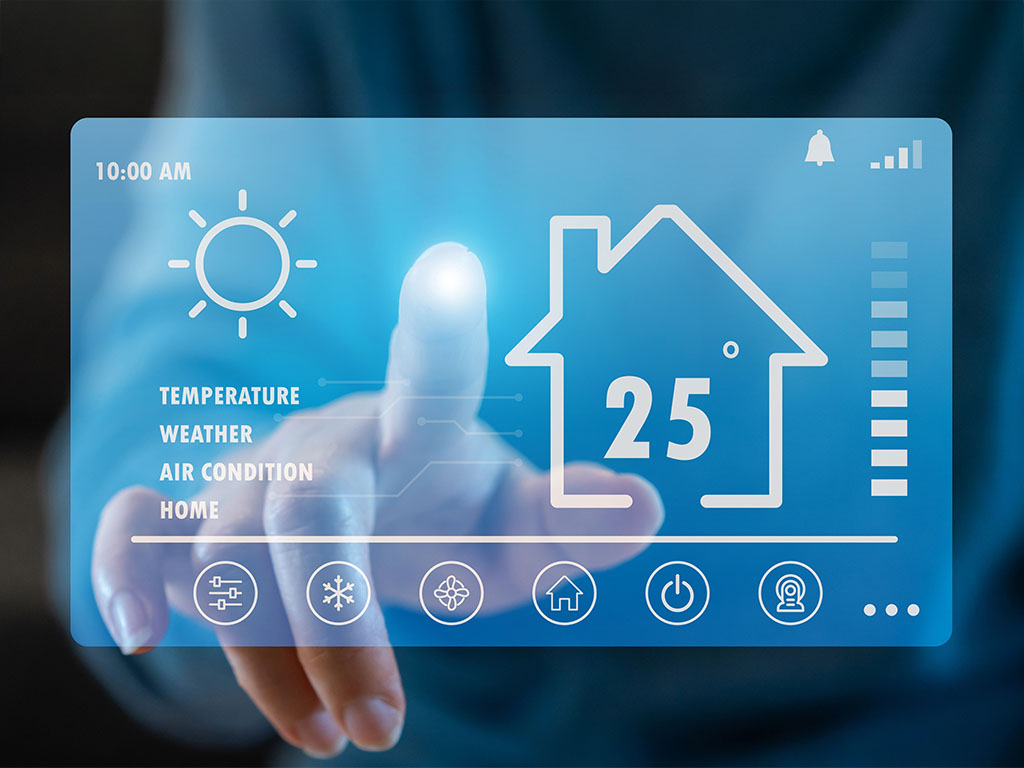
Buildings are becoming more intelligent, connected and responsive. The integration of sensors, automated controls and data-driven platforms is transforming how organisations manage comfort, energy use and operational continuity. At the core of these innovations lies the HVAC and air conditioning infrastructure, which remains one of the main contributors to energy consumption and indoor wellbeing.
Artificial intelligence, automation and connected devices are giving facility managers unprecedented visibility over system behaviour. This article examines how these technologies are reshaping HVAC operations in modern commercial buildings.
Table of Contents
AI-driven climate control: the new backbone of HVAC efficiency
Artificial intelligence is becoming a fundamental tool for advanced climate management. AI-enabled systems continuously analyse key data sources such as:
- weather forecasts
- occupancy patterns
- indoor environmental conditions
- historical energy consumption
By interpreting these variables, the system adjusts heating, cooling and air conditioning output automatically, adapting to real-time needs.
Machine learning algorithms embedded in smart thermostats or BMS platforms learn how each zone is used. Over time, they anticipate demand, optimise schedules and minimise unnecessary loads. This leads to more stable indoor temperatures, lower energy consumption, reduced operational waste and greater comfort for occupants.
Recent trends show a growing adoption of AI-driven HVAC controls across new commercial buildings, confirming a clear move toward predictive and automated climate strategies.
Automation and integrated building management systems
Automation is one of the defining elements of the smart building ecosystem. Modern Building Management Systems (BMS) integrate HVAC, lighting, shading, access control, security and renewable energy inputs into a unified platform.
This integrated approach enables intelligent interactions throughout the building. For example:
- a CO₂ sensor increases ventilation when indoor concentrations rise
- motion sensors deactivate cooling automatically in unoccupied areas
- automated blinds reduce solar gain to lower cooling demand
These interactions allow buildings to operate more efficiently and maintain higher comfort levels. For facility managers, automation ensures consistent performance and simplifies system supervision.
Energy optimisation and advanced analytics
Continuous data monitoring is a cornerstone of smart building performance. Sensors track temperatures, humidity, airflow and equipment loads, providing a precise understanding of system behaviour. This visibility makes it possible to identify anomalies early, such as unexpected power consumption or uneven temperature distribution.
Analytics platforms support the interpretation of these data points, highlighting inefficiencies and recommending corrective actions. AI can forecast peak demand periods, propose pre-cooling strategies or shift certain operations to off-peak hours. These capabilities enable organisations to plan more effectively, reduce energy costs and extend the life of their HVAC equipment.
Remote management and intelligent maintenance
One of the most significant advantages of smart HVAC systems is remote accessibility. Using web dashboards or mobile applications, facility managers can:
- monitor key performance indicators
- adjust ventilation and temperature settings
- receive system alerts in real time
- supervise multiple buildings from a central interface
Remote management not only improves responsiveness but also strengthens predictive maintenance strategies. IoT sensors monitor vibration, pressure, flow and electrical loads to identify early signs of malfunction. As one technical specialist notes, providing clients with remote HVAC dashboards enables them to fine-tune comfort, optimise energy configurations and respond quickly to any irregularities.
This intelligent maintenance approach reduces emergency interventions, extends equipment lifespan and maintains high operational reliability across heating, cooling and air conditioning systems.
Challenges and security considerations
Smart building technologies require careful planning and skilled oversight. Cybersecurity is essential to protect interconnected systems from unauthorised access. Organisations must also consider initial investments for sensors, automation platforms and network upgrades, as well as the need for specialised training to manage AI-supported systems effectively.
With proper preparation and the right technical partners, these challenges can be addressed successfully, allowing organisations to fully benefit from smart building capabilities.
How AI and automation are shaping the future of facility management
AI and automation are transforming HVAC and plumbing systems from reactive components into intelligent infrastructures capable of supporting proactive, high-efficiency operations.
These technologies enhance energy performance, improve occupant comfort and strengthen long-term operational resilience.
Would you like to explore smart building strategies or evaluate automation solutions for your HVAC and plumbing systems?
Contact the AirEnergie team of experts, we are at your disposal to support system configuration, product selection and technical guidance.