The regulatory environment for HVAC, air conditioning and plumbing systems is evolving at a rapid pace. New energy performance directives, environmental standards and updated building codes are reshaping how organisations design, install and manage their technical infrastructures. For businesses, compliance is no longer just a legal obligation: it is a strategic opportunity to adopt more efficient, safer and future-ready technologies.
As regulations tighten in 2026, companies, designers, installers and facility managers must understand how these rules impact heating, cooling, ventilation and water systems. This guide provides an overview of the key regulatory areas and practical strategies to help professionals stay ahead of compliance requirements.
Table of Contents
Energy efficiency standards for HVAC systems
European and national energy policies continue to push for high-efficiency equipment, reduced consumption and better building performance. The updated EPBD (Energy Performance of Buildings Directive) and national decarbonisation frameworks require organisations to adopt technologies with measurably lower energy use compared to legacy systems.
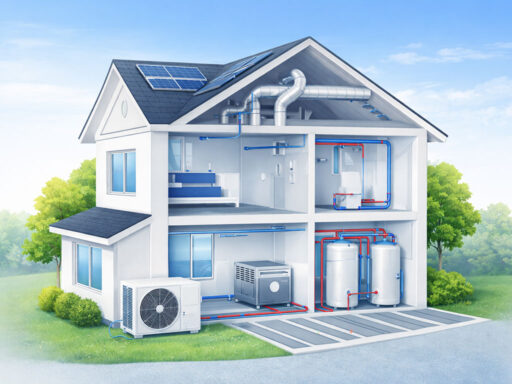
New minimum efficiency thresholds for heat pumps, chillers, boilers, circulators and ventilation units are becoming the norm in 2026. Many older boilers, particularly non-condensing models, no longer meet legal performance criteria. As a result, companies are increasingly moving towards condensing boilers, high-efficiency heat pumps, renewable energies–integrated systems and smart controls that optimise system behaviour in real operating conditions.
These shifts encourage organisations to rethink system design, replacing outdated units with compliant, more efficient solutions.
Emissions rules and refrigerant regulations
Environmental standards are also reshaping the choice of refrigerants and combustion technologies. Tighter limits on NOx emissions from boilers are accelerating the transition towards low-emission or fully electric solutions.
At the same time, global and European policies are phasing out high-GWP refrigerants, including widely used fluids such as R410A. Businesses should prepare for the gradual adoption of low-GWP refrigerants, including mildly flammable alternatives that require updated safety practices and technician training.
For many organisations, this involves planning ahead for refrigerant retrofits, equipment replacement and additional compliance checks during commissioning and maintenance.
Plumbing codes and water-saving regulations
In parallel with HVAC rules, plumbing regulations are also undergoing significant updates. New codes increasingly promote:
- low-flow fixtures in commercial buildings
- water-saving technologies such as sensor-activated taps
- greywater recovery systems, often incentivised through local grants
- Legionella prevention guidelines, especially for domestic hot water systems
These measures improve sustainability, public health and operational efficiency. By adopting compliant plumbing solutions early, organisations reduce risk and ensure safer, more resource-efficient water management.
Impact on system design and retrofitting
Regulations influence nearly every aspect of HVAC and plumbing system design. When specific boiler types are no longer permitted, organisations must evaluate alternatives such as heat pumps, hybrid systems, or condensing boilers. Where building codes require sub-metering, temperature monitoring or automated reporting, smart controls and digital platforms become indispensable.
In some regions, new requirements mandate smart water meters in commercial buildings to detect leaks and reduce waste. These rules affect project planning, infrastructure upgrades and budgeting, particularly in retrofits where existing systems must be adapted to meet new compliance standards.
For designers, installers and technical distributors, understanding these constraints is essential for developing systems that work efficiently and remain compliant over time.
Staying ahead: effective compliance strategies
To anticipate regulatory changes rather than react to them, organisations should adopt a proactive approach. Recommended strategies include:
- conducting regular audits of HVAC and plumbing systems to check compliance
- maintaining updated documentation for inspections and certification reviews
- planning phased upgrades to replace non-compliant equipment before deadlines
- integrating high-efficiency components that already meet or exceed upcoming standards
- consulting technical specialists to define a regulatory roadmap
As many experts advise, creating a multi-year compliance plan allows businesses to distribute investments over time, avoiding costly last-minute replacements while enhancing operational continuity.
Compliance as a driver for innovation
While regulations may appear challenging, they ultimately promote better performance, safer buildings and more sustainable business operations. By viewing compliance as part of a broader modernisation strategy, organisations can benefit from improved energy efficiency, reduced emissions and enhanced system reliability.
Would you like support in navigating HVAC and plumbing regulations or evaluating compliant solutions for your building?
Contact the AirEnergie team of experts, we are at your disposal to support system configuration, product selection and technical guidance.