Designing a bathroom that is comfortable, safe and enjoyable for everyone is becoming increasingly important in modern homes. Families today are more diverse, multi-generational living is growing, and many homeowners are choosing to age in place, making accessibility a priority.
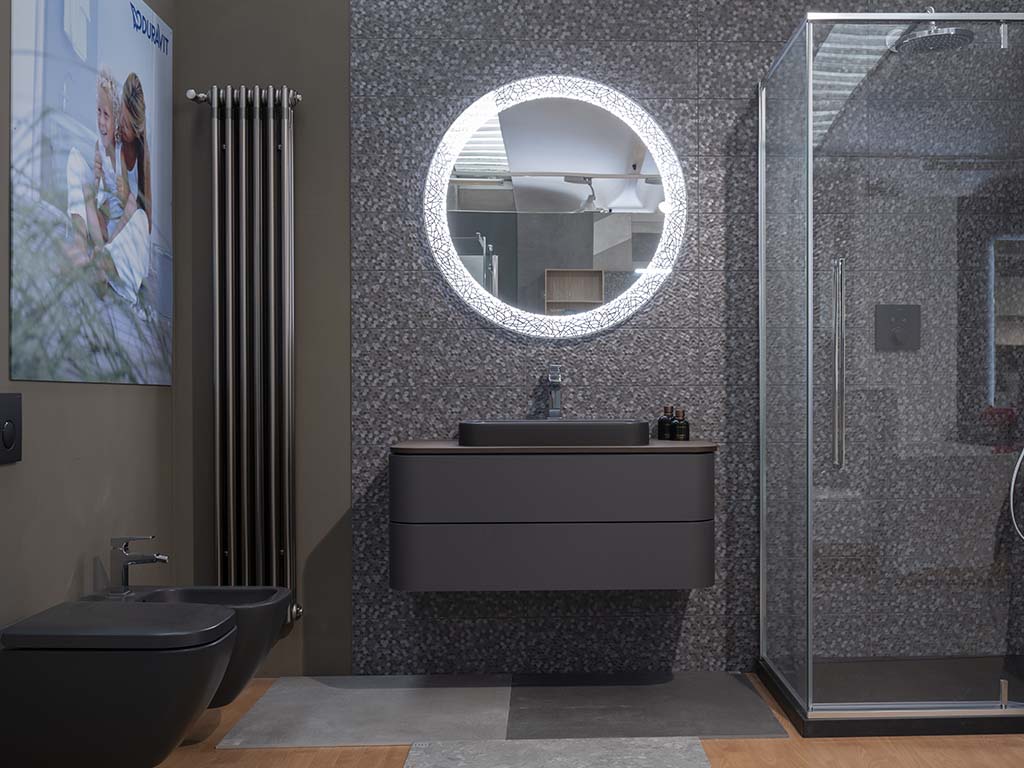
What was once seen as a technical or utilitarian challenge is now an opportunity: accessible bathrooms can be elegant, contemporary and beautifully designed, blending style with universal usability.
This article explores how to create bathrooms that support people of all ages and abilities while maintaining a refined, modern aesthetic.
Table of Contents
Accessible features that enhance safety and comfort
A well-designed accessible bathroom combines thoughtful layout choices with practical fixtures that improve daily usability. Essential features include:
- Step-free access, such as curb-less walk-in showers that eliminate tripping points
- Grab bars near the toilet and inside the shower, now available in sleek, design-driven finishes that complement modern fixtures
- Built-in or fold-down shower seats for additional stability and comfort
- Comfort-height toilets, designed to make sitting and standing easier for users with reduced mobility
Each of these elements improves safety without compromising the overall look of the space, ensuring that accessibility seamlessly integrates into the bathroom’s design.
Stylish design solutions for a contemporary accessible bathroom
Accessible does not mean clinical. Today’s manufacturers offer design-driven solutions that align with modern interiors:
- Grab bars available in matte black, brushed nickel or brass finishes coordinated with faucets and accessories
- Zero-threshold showers with continuous floor tiling for a clean, minimalist visual effect
- Shower benches designed as integrated architectural elements
- Wall-hung sinks or vanities, which provide wheelchair clearance while creating a light, airy feel
These solutions prove that functional accessibility and high-end design can coexist perfectly, especially when combined with elegant bathroom furniture and premium sanitary ware that elevate the overall aesthetic.
Optimising layout and space planning
A bathroom designed for all abilities requires careful planning of circulation and accessibility. Key considerations include:
- Wider doorways (typically 32–36 inches) to accommodate mobility aids
- Adequate turning radius around fixtures, especially in front of sinks, toilets and showers
- Lever-handle or sensor-activated taps, which are easier to operate than traditional knobs
- Ensuring clear, unobstructed pathways throughout the room
Collaborating with a professional designer or referring to established guidelines (such as ADA principles or local building codes) ensures that no functional requirement is overlooked. In many projects, thoughtful plumbing planning plays a crucial role in ensuring accessibility without compromising style.
Lighting and safety: essential elements for accessible design
Safety extends beyond hardware and layout. Lighting and flooring play a major role in creating a bathroom that is both accessible and comfortable.
Consider:
- Even, well-distributed lighting to reduce shadows and improve visibility
- Motion-activated night lights for safe late-night bathroom access
- Anti-slip flooring, now available in stylish ceramic, porcelain and textured stone finishes
- Scald-proof mixing valves to prevent sudden temperature spikes
As one design specialist notes, non-slip textured tiles have become a preferred choice in luxury hotels, demonstrating how accessibility features can be both safe and aesthetically refined.
Future-proofing the bathroom with adaptable solutions
Designing an accessible bathroom is also about planning for the future. Even if certain features are not needed immediately, preparing the space for future adjustments can save considerable time and cost later.
Examples include:
- Reinforced walls (blocking) for future grab bar installation
- Showers designed to accommodate future seating
- Adjustable-height showerheads or vanities
- Modular accessories that can be added or removed as needs change
This flexible, long-term approach ensures the bathroom remains functional, safe and stylish for many years.
How to turn accessible bathroom design into real long-term value?
Accessible bathroom design blends function, beauty and peace of mind. When planned thoughtfully, an accessible bathroom doesn’t look “accessible” at all, it simply looks elegant, comfortable and effortless to use for everyone in the home.
By incorporating the right features and planning for evolving needs, homeowners can create spaces that improve quality of life while enhancing long-term property value.
Would you like to explore accessible bathroom solutions or evaluate a modern renovation for your home?
Contact the AirEnergie team of experts, we are at your disposal to support product selection, system configuration and design guidance.